

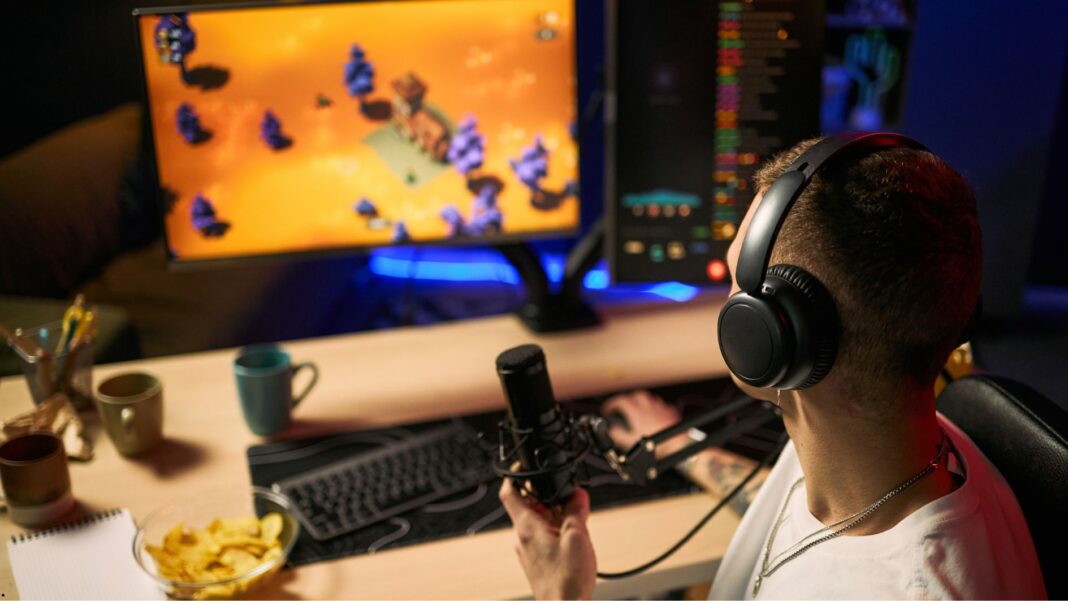
Esports has developed into an organized form of competitive gaming in which individuals or teams participate in structured events. Depending on the game, competitions may involve tactical decisions, precise timing, teamwork, strategic planning, and familiarity with detailed rules. Spectators can follow tournaments, compare performances, and learn how different approaches influence match outcomes.
Although esports shares some features with traditional sports, it also has distinctive characteristics shaped by software, game balance, digital platforms, and changing competitive formats. Understanding these elements helps readers appreciate esports as a broad entertainment and competitive field.
What Is Esports?
Esports refers to organized competition involving video games. Events may feature professional teams, independent competitors, amateur leagues, educational competitions, or community tournaments.
The structure varies according to the game and organizer. Some events use individual elimination brackets, while others feature group stages followed by playoffs.
Popular Competitive Game Categories
Esports competitions can include several genres:
- Multiplayer arena games: Teams coordinate abilities and objectives.
- Tactical shooters: Participants rely on positioning, communication, and timing.
- Sports simulations: Players compete through digital versions of sporting activities.
- Strategy games: Competitors manage resources and adapt to changing conditions.
- Fighting games: Individual players demonstrate timing, execution, and tactical awareness.
- Racing games: Competitors aim for consistent performance and efficient routes.
Each category rewards a different combination of abilities, making direct comparisons between unrelated games difficult.
How Esports Tournaments Work
Tournament organizers establish rules to determine who participates, how matches are conducted, and how winners are selected.
Tournament Formats
A single-elimination bracket removes a participant after a loss, subject to the event’s rules. Double-elimination formats may allow a participant another opportunity after an initial defeat.
Group stages organize competitors into smaller groups, with results determining who advances. League formats may schedule matches across a longer period.
The appropriate format depends on factors such as participant numbers, scheduling requirements, and the desired competition structure.
Rules and Competitive Fairness
Tournament rules typically define eligibility, match settings, scoring, permitted equipment, and procedures for handling disputes.
Consistent rules help participants understand what is expected. Organizers may also establish requirements concerning conduct, substitutions, technical interruptions, and sportsmanship.
The specific regulations differ between competitions, so participants and spectators should consult the rules published for the relevant event.
Why Teamwork Matters in Esports
Many esports titles require players to coordinate actions rather than rely solely on individual performance.
Communication and Coordination
Teams may share information about opponent positions, resource availability, objectives, and strategic changes.
Effective communication is usually concise and relevant. Players need to understand not only what information is being shared but also when it matters.
Teams can practise communication routines to reduce confusion during demanding situations.
Preparation and Strategy
Competitive preparation can include reviewing previous matches, studying game updates, practising specific scenarios, and developing plans for different opponents.
However, preparation does not guarantee victory. Opponents may use unexpected strategies, and changes to a game’s mechanics can affect established approaches.
Strong teams therefore combine preparation with the ability to adapt.
The Spectator Experience
Esports audiences watch competitions for excitement, technical skill, tactical decisions, and the stories that develop throughout a tournament.
Commentary and Analysis
Commentators explain important moments, introduce competitors, and help viewers understand complex decisions.
Analysts may examine tactical patterns, team compositions, or changes in performance. These explanations can make a match easier to follow, especially for people who are new to the game.
Community Participation
Fans may discuss matches, create artwork, support teams, and participate in community events. Such activities help extend the experience beyond the competition itself.
Respectful discussion is important because disagreements over tactics or results can otherwise turn into personal attacks.
Gaming Platforms and Search Terminology
Esports research may lead readers to phrases associated with particular gaming websites or account services. These phrases should not be confused with official tournament information.
For example, Betbhai9 login signup may appear in searches related to gaming terminology. It does not establish a connection with an esports organizer or verify the availability of any service.
Likewise, Betbhai sign up is a phrase that may appear in platform-related searches. Its presence does not demonstrate that a platform sponsors a tournament, provides esports competitions, or holds any particular authorization. This article does not recommend account creation or real-money gaming participation.
For accurate competition information, consult the official game publisher, tournament organizer, or event documentation.
Esports Careers Beyond Competition
Competitive gaming creates roles beyond playing professionally. Depending on the organization, opportunities may include coaching, event production, commentary, broadcasting, graphic design, community management, and data analysis.
Skills Used in Esports Work
Different roles require different abilities. Commentators need clear communication, while event producers coordinate schedules, equipment, and technical requirements.
Coaches may study gameplay patterns and help players improve teamwork. Designers and editors create the visual material used in broadcasts and community channels.
These roles demonstrate that esports is an ecosystem involving entertainment, technology, communication, and event management.
Responsible Participation and Applicable Rules
Esports participation should account for age requirements, event rules, local laws, and personal wellbeing. Players benefit from reasonable practice schedules, breaks, and expectations that recognize competition as only one part of life.
The legal treatment of a gaming activity depends on its actual structure and applicable jurisdiction. Competitive gaming should not automatically be equated with every form of online gaming or with real-money gaming.
Esports combines organized competition, strategic preparation, teamwork, and entertainment for spectators. Tournament formats create structure, communication supports coordinated play, and analysis helps audiences understand the decisions behind important moments.
Whether someone watches competitions, participates in community events, or explores esports-related careers, understanding the game’s rules and the event’s structure provides a stronger foundation for appreciating this evolving part of digital culture.

