

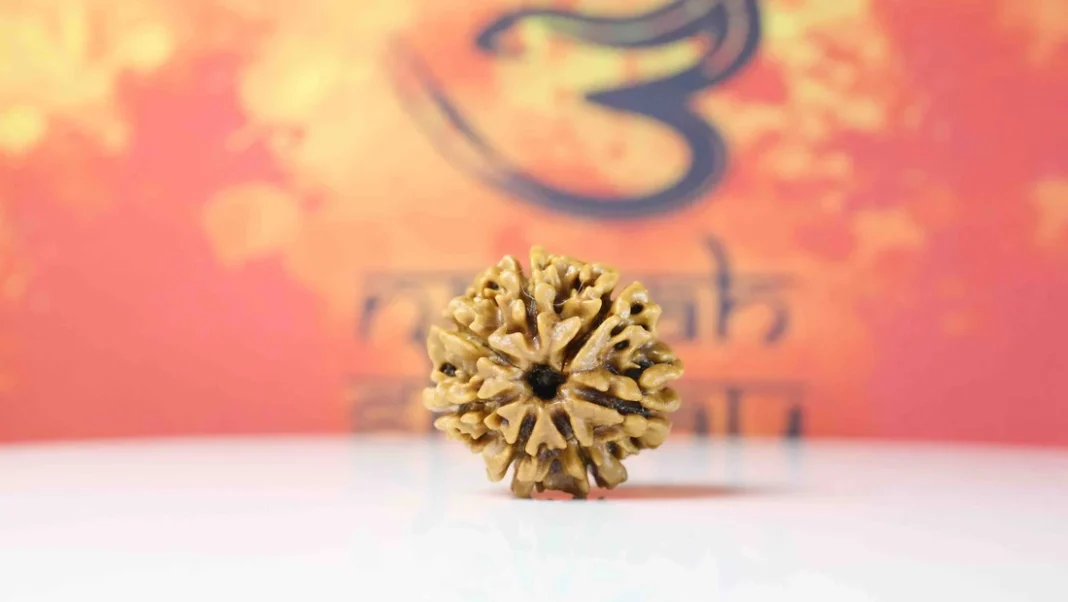
When several 7 Mukhi Rudraksha beads look similar online, choosing the right one can be difficult. The price may differ significantly, product descriptions may use terms such as certified or verified, and sellers may present different claims about origin and benefits.
Instead of choosing a bead based on the most impressive description or the lowest price, buyers can use a simple comparison framework. The important factors are the natural formation of the bead, available verification, product documentation, physical condition, seller transparency, and the purpose for which the Rudraksha is being purchased.
A 7 Mukhi Rudraksha, also known as Saat Mukhi Rudraksha, is traditionally identified by seven natural Mukhi divisions. It is associated in various spiritual traditions with themes such as stability, prosperity, discipline, and Saturn-related practices. These associations should be understood as traditional beliefs rather than guaranteed outcomes.
First Compare the Actual Bead, Not Just the Product Name
Online listings often contain several similar terms: 7 Mukhi Rudraksha, 7 Mukhi Rudraksham, Saat Mukhi Rudraksha, and seven-faced Rudraksha. These descriptions can refer to the same general type of bead.
The more important question is whether the actual bead matches the description.
Look closely at the photographs. The seven Mukhi lines should appear naturally formed rather than looking like narrow cuts made into the surface. Examine where the lines begin and end, the texture between them, and the overall shape of the bead.
If the seller uses only generic photographs, ask whether the image represents the exact bead you will receive. This is particularly useful when purchasing an individual Rudraksha rather than a mass-produced mala.
For buyers comparing specific products, a 7 Mukhi Rudraksham listing can be assessed using these same criteria rather than relying only on its title or promotional description.
What Does “Original” Actually Mean?
The word “original” is widely used in the Rudraksha market, but buyers should look beyond the label.
A natural Rudraksha is a seed with its own physical structure. Surface appearance can provide clues, but visual inspection alone has limitations. Artificially modified beads can sometimes be made to resemble naturally occurring Mukhi patterns.
This is why buyers interested in authenticity should consider several pieces of information together:
- Natural-looking Mukhi formations
- Clear photographs
- Information about the bead
- Stated origin
- Testing or certification documentation
- Seller transparency
- A reasonable return or replacement policy where applicable
No single feature should automatically be treated as conclusive proof.
Why X-Ray Examination Can Matter
One reason X-ray examination is discussed in Rudraksha authentication is that the external surface tells only part of the story.
The internal structure of a Rudraksha can provide additional information about the natural compartments inside the seed. An X-ray image can therefore be useful when examining whether the internal structure is consistent with the stated Mukhi count.
However, buyers should not assume that the presence of the words “X-ray tested” automatically guarantees authenticity. The quality and interpretation of the examination still matter.
If internal verification is important to your purchase decision, you can compare products described as X-Ray Verified 7 Mukhi Rudraksha and examine what supporting documentation is actually provided.
Certification: What Should You Look For?
A certificate can add useful information, particularly for someone purchasing online without physically inspecting the bead.
But “certified” is not a complete explanation. Before relying on a certificate, look for information about what was tested, how the item is identified, and whether the report can be connected to the actual product.
For example, if you are purchasing an individual bead, it is more useful to have documentation that clearly corresponds to that bead than a generic statement saying that the seller’s Rudraksha products are certified.
The same principle applies to terms such as “lab tested” or “verified.” Ask what those terms mean in practice.
How to Compare 7 Mukhi Rudraksha Prices
Price comparison becomes difficult when the products being compared are not equivalent.
Imagine three listings:
Option A: A loose bead with basic product information.
Option B: A bead with detailed photographs and authentication documentation.
Option C: A mounted pendant that includes additional jewellery components and testing documentation.
Comparing only the listed prices would not tell you which offers better value because the products and services are different.
Instead, compare:
| Factor | What to Check |
|---|---|
| Bead | Size, shape and visible condition |
| Mukhi formation | Natural appearance of seven divisions |
| Verification | Type of examination provided |
| Documentation | Whether it relates to the actual product |
| Origin | Whether the stated origin is clearly explained |
| Mounting | Loose bead, pendant or mala |
| Seller policy | Return or replacement terms |
| Price | Total cost for the complete offering |
This approach makes 7 Mukhi Rudraksha Price easier to evaluate without assuming that the cheapest or most expensive option is automatically preferable.
Does Bigger Always Mean Better?
Size is another area where buyers can become confused.
A larger bead may look more impressive, but size alone does not establish authenticity or determine its spiritual significance. Natural Rudraksha seeds occur in different sizes and shapes.
If the bead is intended for everyday wear, comfort can actually be more important than size. A smaller bead may be easier to incorporate into jewellery, while someone choosing a bead for a display or devotional setting may have different preferences.
The right choice therefore depends partly on how the bead will be used.
What About Nepal and Indonesian Rudraksha?
Origin is frequently discussed when comparing Rudraksha.
Nepal and Indonesia are both associated with Rudraksha cultivation, and beads from different regions can have noticeable differences in appearance. However, origin should not be used as the only method of judging authenticity.
A buyer should still consider the physical bead and available documentation. A statement such as “Nepal Rudraksha” should prompt a question about how the origin was established rather than automatically ending the evaluation.
This is particularly important because buyers can encounter strong claims about the superiority of one origin over another without sufficient evidence.
Understanding Traditional Benefits Without Overpromising
The traditional Benefits Of 7 Mukhi Rudraksha are often described in connection with prosperity, stability, confidence, discipline, and spiritual practice.
Some traditions also associate the bead with Saturn and recommend it in connection with Sade Sati. These ideas belong to religious and astrological traditions and should not be presented as scientifically established mechanisms.
The same distinction is useful when people search for terms such as 7 Mukhi For Financial steadiness.
A person may choose the bead as part of a spiritual practice focused on stability and discipline. However, financial stability still depends on practical factors such as income, expenses, savings, debt management, and investment decisions.
The bead can have personal or devotional significance without being treated as a financial guarantee.
Is a 7 Mukhi Suitable for a Cash Box?
Keeping a Rudraksha in a cash box is sometimes presented as a symbolic practice associated with prosperity.
If someone chooses to follow this tradition, it can be understood as a personal spiritual or cultural practice. It should not be interpreted as a guaranteed method of increasing wealth.
A more practical interpretation is to use the object as a reminder of responsible money management. For example, seeing it while accessing cash could become a reminder to track expenses, avoid unnecessary purchases, or review financial goals.
This gives the symbolic practice a practical connection without making unsupported promises.
How Should a New Buyer Approach Wearing It?
There are different traditional approaches to wearing a 7 Mukhi Rudraksha. Some people use it as a pendant, while others incorporate it into a mala or another devotional arrangement.
If you follow a particular spiritual tradition, its guidance should take priority. Otherwise, keep the routine simple and consistent.
The bead should also be treated as a natural seed. Avoid unnecessary rough handling and inspect any thread, metal cap, or mounting periodically if it is worn as jewellery.
Five Questions Before You Place an Order
Can I see the actual bead clearly?
If not, request additional photographs or clarification.
Is the seven-faced structure naturally visible?
Look for continuous, natural-looking Mukhi divisions rather than relying on the product title.
What does the certification actually verify?
Read the documentation instead of assuming that every certificate provides the same information.
Am I comparing equivalent products?
Compare loose beads with loose beads and similarly documented products where possible.
Are my expectations realistic?
Traditional spiritual benefits can be meaningful to believers, but they should not replace medical, financial, or professional advice.
Conclusion
Buying a 7 Mukhi Rudraksha does not have to be a confusing decision. Instead of searching for a single “best” bead, compare the characteristics that can actually be evaluated: natural formation, physical condition, verification, documentation, origin information, seller transparency, and overall value.
Price should be considered in context, while traditional claims should be understood as part of the spiritual and cultural framework surrounding Rudraksha.
A careful buyer does not need to accept every claim or reject the tradition altogether. The better approach is to understand what can be verified, recognize what belongs to belief, and choose a product that fits both the buyer’s purpose and expectations.

