

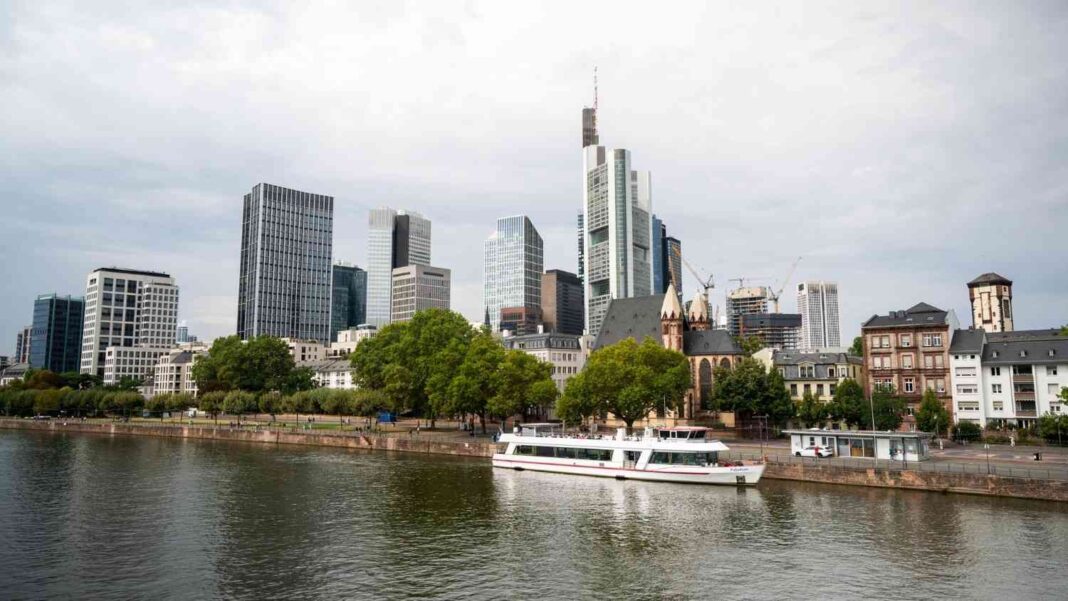
Ask most travelers planning a Germany itinerary about Mainz, and you’ll likely get a blank look, or at best, a vague sense that it’s “near Frankfurt.” That’s usually where the conversation ends, and it’s a shame, because Mainz has a genuine claim to being one of the more historically significant and quietly charming cities in the country. It just doesn’t shout about it.
Here’s the case for giving Mainz more than a passing thought on your next trip through the Rhine-Main region.
It’s the Birthplace of the Printing Press and It Doesn’t Let You Forget It
Johannes Gutenberg was born and worked in Mainz, and the invention of movable-type printing here in the 15th century is arguably one of the most consequential technological shifts in human history. The Gutenberg Museum, right in the heart of the old town, houses original Gutenberg Bibles and traces the story of printing from hand-copied manuscripts to the modern press.
What makes it worth visiting isn’t just the history lesson, it’s how directly the museum connects a single city to a change that reshaped literacy, religion, and the spread of ideas across the entire continent. Few cities can point to a single invention with that kind of global reach, and Mainz doesn’t oversell it, which somehow makes it land harder.
A Cathedral That’s Outlasted Everything Around It
Mainz Cathedral (Mainzer Dom) has stood, in some form, for over a thousand years, surviving fires, wars, and centuries of political upheaval as one of the seat cities of the old Holy Roman Empire’s prince-electors. Walking through it, you get a layered mix of Romanesque, Gothic, and Baroque additions stacked on top of each other, a physical record of a millennium of building and rebuilding.
The surrounding Markt square, especially on market days, gives the cathedral a genuinely lived-in feel rather than the roped-off, tourist-only atmosphere that a lot of Germany’s more famous cathedrals have settled into.
The Chagall Windows Nobody Expects
Tucked into St. Stephan’s Church, a short walk from the old town center, are a series of stained-glass windows designed by Marc Chagall in the final years of his life.
It’s an unexpected pairing, a Russian-French Jewish artist creating deep blue windows for a German Catholic church, decades after the war, as an act of reconciliation.
The result is quietly moving in a way that’s easy to miss if you don’t know to look for it, which is exactly why it tends to surprise people who wander in without expectations.
Wine Country, Without the Crowds
Mainz sits at the edge of Rheinhessen, Germany’s largest wine-growing region, and the city itself has a long relationship with wine that goes back centuries.
Unlike the more heavily touristed stretches of the Rhine and Mosel valleys, Rheinhessen’s vineyards are still largely a local secret, which means better prices, quieter tastings, and winemakers who have time to actually talk to you rather than rush you through.
The city’s wine market, held each year, draws a mostly local crowd rather than tour buses, a good sign for anyone who prefers their wine regions without the theme-park feel.
A Carnival Culture That Rivals Cologne
Mainz takes Fastnacht, the German carnival season, extremely seriously, and its celebrations rank among the largest and most elaborate in the country, alongside Cologne and Düsseldorf.
The Rose Monday parade draws enormous crowds, and the city’s political satire tradition, particularly around carnival speeches, has deep local roots.
If your travel dates happen to line up with the season, it’s worth restructuring your itinerary around it.
Easy to Reach, Easy to Base Yourself From
Part of why Mainz gets overlooked is geographic; it sits so close to Frankfurt that people treat it as a footnote rather than a destination in its own right.
In practice, that proximity is an advantage. Mainz makes a genuinely good base for exploring the wider region, with quick access to Wiesbaden across the river, the Rheingau wine villages, and Frankfurt itself for anyone who wants a bigger city day mixed into the trip.
If you’re flying into the region, sorting transportation in advance makes the whole stay easier.
Plenty of visitors book private airport transfer into Mainz rather than dealing with train transfers and luggage right after a long flight, which matters more than it sounds like when you’re arriving tired and just want to get to the hotel.
Read this quick guide on how to choose the right taxi or car rental for your trip.
The Old Town Itself
Beyond the specific landmarks, Mainz’s Altstadt rewards aimless wandering. Narrow lanes, half-timbered buildings that survived the wartime bombing better than much of the rest of the city, small squares that open up unexpectedly, and a density of good, unpretentious restaurants that haven’t yet been discovered by anyone writing “hidden gem” listicles.
It’s the kind of old town that feels lived-in rather than curated for visitors, which is increasingly rare in cities this historically significant.
The Real Reason to Go
Mainz doesn’t have a single headline attraction dramatic enough to anchor a travel poster, and that’s precisely the point. What it offers instead is depth, a city that shaped how information spreads across the world, that’s been rebuilt and reinterpreted for a thousand years, and that still moves at a pace slow enough to actually notice all of it.
For travelers tired of ticking off the same five German cities everyone else visits, Mainz is the quiet argument for looking one stop further down the map.
Planning your trip? Want to get to the hotel quickly and comfortably? Book a reliable airport transfer for a smooth, stress-free arrival.

