


Buying anti-chafing protection can seem simple until you start comparing different formats, ingredients and application methods. Runners need something that suits movement, perspiration and the particular areas where friction develops rather than simply choosing the first product labelled for sport.
People searching for the best anti chafe running option should first consider how and where they actually run. A short treadmill session creates different conditions from a summer half-marathon or several hours on a trail.
Start With the Source of Your Chafing
Anti-friction products work best when they are applied with a purpose.
Think about what normally causes the irritation. Is it skin rubbing against skin? A seam moving against the body? A hydration pack? Damp clothing? Once you know the likely trigger, selecting and applying an anti chafing cream for runners becomes easier.
Common Areas Worth Checking
Before your next session, think about whether you experience rubbing around:
- Inner thighs
- Underarms
- Waistbands
- Bra lines
- Groin areas
- Feet and toes
- Pack straps
- Other recurring clothing contact points
You do not necessarily need to apply protection everywhere. Concentrate on areas that consistently experience friction.
Consider How the Product Is Applied
Application method matters because runners often use anti-chafing protection immediately before dressing.
A best cream for chafing should be practical enough that you are willing to use it consistently. Some runners prefer a direct-application balm because they can target a specific area without getting much product on their hands. Others may prefer a cream texture.
Think Beyond the First Five Minutes
A product feeling comfortable when you leave home is only part of the test.
Ask yourself:
- Will it stay practical once you begin sweating?
- Can it be reapplied during a long activity?
- Is the container convenient to carry?
- Does application take only a few moments?
- Is it suitable for the particular friction point you want to protect?
The best anti chafe running solution is ultimately one that works comfortably within your real training habits.
Test It Before an Important Event
Do not make a marathon, long-distance race or major hiking event the first occasion on which you try new skin protection.
Test it during normal training. This gives you an opportunity to learn how much you prefer to apply and whether particular areas need additional attention.
Match Protection to Distance and Conditions
A short recovery jog may create very little friction. A two-hour session gives clothing, sweat and repeated movement much more time to affect the skin.
Warm conditions often increase moisture, while rain can leave fabric damp. Long-distance runners also carry more equipment, such as hydration packs or belts, introducing additional contact points.
Using an anti chafing cream for runners before these sessions can be particularly helpful when you already know which areas tend to become irritated.
Clothing Still Plays a Major Role
Anti-chafe protection should complement sensible clothing rather than compensate for badly fitting kit.
Inspect running clothing for rough seams, loose fabric and elastic edges. If a specific pair of shorts causes irritation every time you run, changing the shorts may solve more of the problem than repeatedly applying extra product.
Look for garments that stay in place while allowing comfortable movement.
Pay Attention to Your Skin After Training
Post-run observations can tell you whether your prevention routine needs adjusting.
Even if you do not experience painful chafing, areas of redness can indicate developing friction. Note where it occurs and think about what contacted the skin at that location.
You can then adjust:
- Clothing fit.
- Product placement.
- Amount applied.
- Running accessories.
- Reapplication timing on longer sessions.
Repeated small improvements usually produce a more reliable routine than waiting for a serious problem.
What Makes a Product Practical?
There is no universal answer to the best cream for chafing because runners have different preferences and skin-contact points.
Practical factors include portability, easy application and compatibility with your normal kit. A product that works well but is inconvenient to use may end up sitting at home instead of becoming part of your routine.
The best cream for chafing for your needs should therefore be judged as part of your full running preparation rather than by one feature alone.
Create a Pre-Run Checklist
Skin protection is easy to forget when you are concentrating on distance, pace and nutrition.
A simple pre-run routine might include:
- Check the weather.
- Choose tested clothing.
- Adjust hydration equipment.
- Apply anti-chafe protection.
- Pack fuel or fluids.
- Confirm shoes and socks are comfortable.
Once the process becomes routine, there is less chance of starting a long run and remembering your anti-chafing product several kilometres later.
Why Choose Us
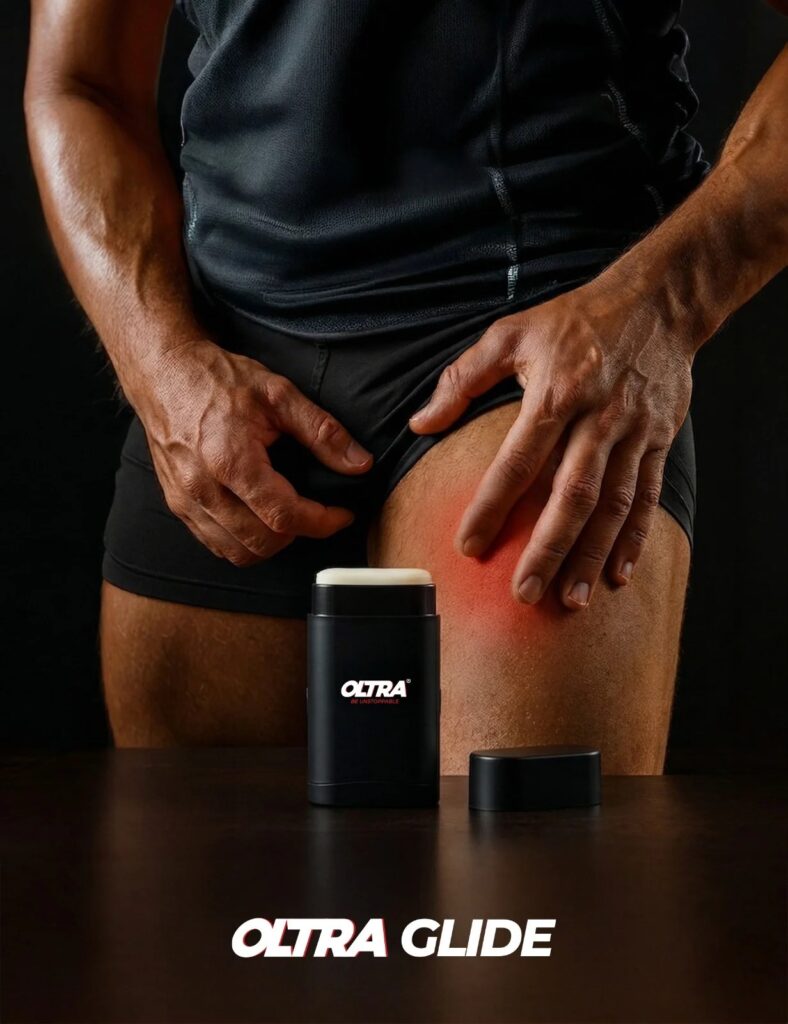
Oltra Glide is designed around straightforward application for active routines. For runners, ease of use matters because pre-run preparation already includes footwear, hydration, clothing, nutrition and route planning.
A simple anti-friction step can make it easier to focus on preventing recurring rubbing before activity begins rather than responding after discomfort develops.
About Us
Oltra creates practical products aimed at supporting comfort during active everyday life. Running naturally exposes the skin to repetitive movement, so our focus is on helping people manage friction in a way that can fit into normal exercise preparation.
We believe useful personal-care products should be uncomplicated to understand and convenient to use consistently.
Conclusion
Finding effective anti-chafing protection is less about chasing one universal product and more about understanding your own running conditions.
The best anti chafe running approach combines appropriate clothing, awareness of friction zones and consistent preparation. Test your routine during training, make adjustments based on how your skin responds and avoid leaving important changes until race day.

