

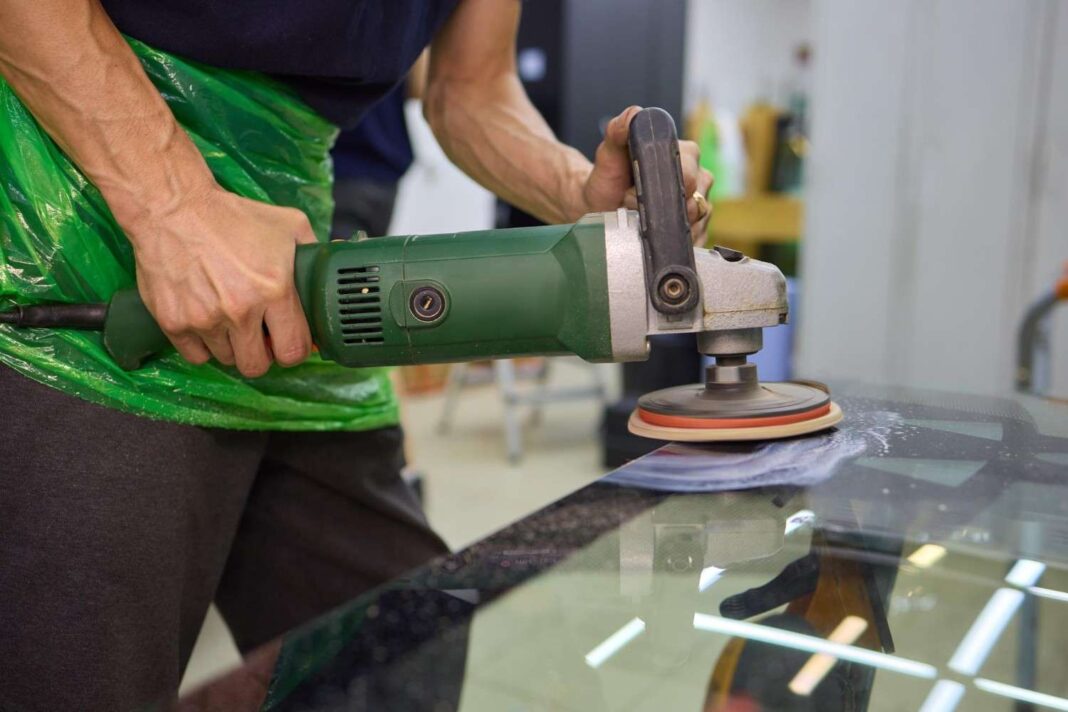
Wobbly edges, persistent micro-cracks, and inconsistent angles are structural failures that a modern glass fabrication workshop simply cannot afford. When processing architectural panes, heavy furniture surfaces, or custom-cut mirrors, the margin for error is non-existent. A single uneven edge can ruin an entire sheet during the tempering process, while a poorly finished profile completely destroys the premium aesthetic that high-paying corporate clients expect.
To remain competitive and reduce material waste, workshops must transition away from slow manual finishing techniques and embrace high-precision industrial systems. Integrating a specialized glass grinding machine alongside an automated glass beveling machine into your production floor is the most dependable path to achieving flawless, market-ready results at scale.
Eliminating Micro-Fractures with Heavy-Duty Edge Grinding
Raw, newly cut glass features highly volatile, razor-sharp edges containing microscopic structural stress points. If these edges are left completely untreated, the panel is highly susceptible to cracking under minimal thermal or physical pressure. Industrial grinding equipment systematically removes these surface imperfections by utilizing sequential abrasive diamond wheels.
The grinding phase acts as the foundational step of deep glass processing. By feeding a raw pane into a straight-line or double-edging system, the machine shaves down rough edges, removes sharp corner points, and shapes the perimeter to exact technical specifications.
Technical Advantages of High-Stability Grinding Systems
- Minimized Stress Fractures: Precise, automated abrasion prevents micro-shocks along the glass perimeter, safeguarding panels against shattering during future heat treatments.
- Rapid Material Throughput: Modern multi-spindle edgers finish rough grinding, fine smoothing, and final polishing tasks in a single pass, drastically outperforming manual labor.
- Flawless Geometric Accuracy: Rigid steel chassis constructions absorb heavy mechanical vibrations, ensuring perfect straightness and uniform thickness across long architectural glass runs.
According to technical operational profiles tracked by industrial manufacturing resources on HubSpot, manufacturing facilities that automate their raw material finishing lines reduce total rework rates by more than 40 percent while maximizing daily output limits.
Elevating Architectural Appeal via Specialized Beveling Equipment
While standard edge grinding prioritizes physical safety and structural uniformity, creating premium decorative accents demands an entirely different mechanical approach. A robust glass beveling machine is engineered specifically to shape elegant, sloping perimeter angles onto the top face of a flat pane. This delicate procedure results in a distinct, light-refracting edge profile frequently utilized in luxury mirror manufacturing, high-end furniture tabletops, and modern partition walls.
Modern beveling systems feature adjustable multi-wheel configurations that gradually alter the glass surface angle from 0 to 45 degrees. The primary challenge during this process is maintaining absolute angle consistency over massive production runs—a feat that requires robust spindle calibration and heavy-duty casting components.
By linking specialized beveling and edging equipment together, your factory floor can manage intricate processing contracts without bottlenecking production schedules or suffering from tool alignment delays.
Maximizing Fleet Longevity Through Smart Spindle Settings
True factory profitability relies heavily on managing tool wear and avoiding sudden breakdown periods. Forcing a single grinding wheel to strip away too much material in a single run overheats the glass edge, which causes micro-chipping and dramatically reduces the lifespan of expensive diamond wheels.
High-efficiency glass fabrication setups resolve this operational issue by distributing workload weight across multiple inline spindles. The initial grinding stations utilize coarse diamond grit compositions to manage heavy raw shaping, intermediate stations handle fine smoothing details, and final cerium oxide wheels apply a crystal-clear, high-gloss shine.
Frequently Asked Questions
What causes glass sheets to crack inside an automatic grinding line?
Glass cracking typically stems from severe mechanical vibrations caused by a worn-out machine chassis, incorrect conveyor belt feed speeds, or a lack of sufficient water cooling. Maintaining a steady, high-volume flow of clean cooling water directly onto the grinding wheels is crucial to prevent structural thermal shock.
Can a single machine handle both standard straight-line edging and decorative beveling?
Standard straight-line edgers and specialized beveling machinery utilize completely different internal wheel positions and spindle structures. For true high-volume operations, factories utilize separate dedicated units, though specialized shape-processing machines can handle limited multi-profile tasks for curved variants.
How often do industrial diamond grinding wheels require replacement?
Wheel longevity depends strictly on the total linear meters processed, glass thickness, and spindle adjustment precision. High-quality diamond wheels routinely last for thousands of operating hours, provided operators perform regular diamond wheel dressing to clear away packed glass dust accumulation.
What glass thickness ranges can modern processing machines support?
Most professional straight-line processing machines safely accommodate glass panel thicknesses ranging from 3mm up to 19mm. Advanced industrial variants can adjust their transport tracks to process thick structural sheets up to 25mm or more.
How do I eliminate hazy finishes on a beveled edge?
Hazy or cloudy finishes indicate that your final polishing wheels are out of alignment, or your cerium oxide polishing compound solution is running thin. Ensure your final spindles maintain optimal pneumatic pressure against the glass edge to achieve a pristine shine.
Revolutionize Your Glass Fabrication Line
Succeeding in a highly competitive manufacturing market requires trading out slow, unpredictable manual workflows for industrial-grade automated precision. To protect your production margins, eliminate costly panel breakages, and deliver pristine edge work that commands premium pricing, your factory must rely on heavy-duty, reliable machinery.

