

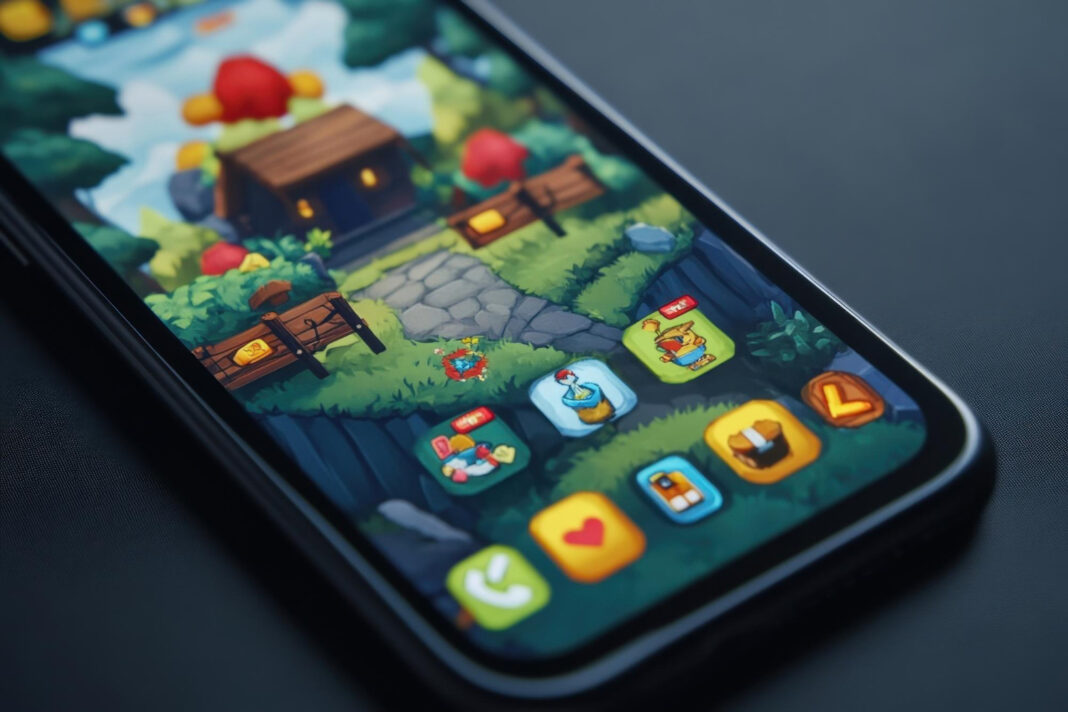
The digital landscape has undergone a profound transformation over the last decade, transitioning from static desktop experiences to highly dynamic, mobile-first ecosystem architectures. At the center of this evolution is the global mobile gaming industry, which currently dictates the standards for interface design, network synchronization, and hardware optimization. As processors become more capable, developers are shifting away from browser-dependent software models toward native mobile deployments. This structural change is evident in platforms like ind9, which leverage standalone application builds to bypass web performance bottlenecks and deliver high-performance user experiences.
For modern interactive software platforms, a smooth user journey relies heavily on how well the client-side code interacts with cloud infrastructure. Whether a platform hosts casual puzzles, real-time multiplayer strategies, or high-fidelity simulations, the underlying architecture determines its retention rate, operational security, and overall market share. Understanding the engineering, user behavior trends, and accessibility frameworks that define this era helps explain why specific deployment methodologies succeed while others fail.
Technical Constraints of Web Browsers in Interactive Media
For a long time, standard web browsers served as the default entry point for digital entertainment. While the introduction of modern markup standards and advanced scripts allowed for basic interactivity without external plug-ins, web browsers inherently operate within strict software limitations. They must allocate significant system memory to manage browser tabs, maintain cross-site scripting security layers, and parse heavy background style sheets.
When a complex application runs inside a mobile web browser, it competes for hardware resources with the browser’s own rendering engine. This often leads to visible performance drops, such as thermal throttling, frame rate drops, and increased battery consumption. Furthermore, mobile web browsers cannot natively access advanced hardware acceleration features, custom audio drivers, or specialized low-latency rendering pipelines. This operational bottleneck is a primary reason why modern gaming ecosystems encourage users to transition to dedicated application packages.
The Shift to Native Mobile Ecosystems
To deliver consistent, low-latency performance, interactive digital networks are increasingly prioritizing native application builds over standard web delivery. Building a platform around a dedicated mobile asset gives developers direct access to the device’s operating system kernel. This enables granular optimization, efficient memory allocation, and the deployment of advanced security measures that are impossible to execute inside a standard browser environment.
From an architectural standpoint, a standalone application utilizes local data structures to store primary visual assets, audio files, and core interface components directly on the user’s storage drive. This dramatically reduces the volume of data that must be fetched from cloud servers during active sessions, ensuring stable performance even on variable or low-bandwidth mobile networks.
Architectural Deep Dive: What Powers the Ind9 Game Framework?
When looking at successful implementations of modern mobile entertainment, the ind9 game framework offers an excellent case study in resource optimization and responsive user interface engineering. The core framework is built around an event-driven microservices architecture designed to process hundreds of thousands of concurrent API requests without causing server-side lag or client-side delays.
Multi-Threaded Resource Allocation
Unlike legacy frameworks that process graphic rendering, data fetching, and interface logic on a single execution thread, modern application architectures split these responsibilities across multiple cores. The user interface remains smooth and responsive because network data synchronization takes place entirely on a dedicated background thread, preventing visual stuttering.
Dynamic Content Delivery Networks (CDNs)
To serve a global user base efficiently, the platform utilizes intelligent routing layers that detect the user’s geographical location and fetch operational data from the nearest edge server. This keeps ping rates exceptionally low, providing an identical, lag-free experience for users across both domestic hubs and international territories.
Installation Frameworks and Android Deployment
For the Android operating system, package deployment centers on compiling source code into an installable application package. This deployment model is exactly what users encounter when interacting with the ind9 apk, a lightweight, secure installation file engineered for maximum compatibility across various Android versions.
Deploying software via an individual package file allows developers to introduce continuous feature rollouts and performance patches without waiting for the lengthy approval queues of centralized application marketplaces. This direct-to-consumer model ensures that users always have immediate access to the latest security updates, graphic optimizations, and anti-cheat modules.
Security, Data Integrity, and Device Optimization
As mobile platforms manage larger amounts of user data, implementing robust security protocols has become a top priority for digital architects. According to industry analysis from tech authority platforms like HubSpot, user retention is directly tied to a platform’s perceived security and data privacy standards. Native applications are uniquely positioned to meet these demands by implementing security features that browser environments cannot support.
Advanced Cryptographic Protocols
Modern application packages utilize secure cryptographic handshakes to encrypt all data transmitted between the mobile device and the central cloud database. This end-to-end encryption protects sensitive user profiles, session histories, and transaction records from malicious interception or man-in-the-middle attacks.
Sandboxed Local Storage
When an application is installed natively, the operating system assigns it a dedicated, isolated storage sandbox. This means the platform’s internal databases, asset caches, and security keys are hidden from other software running on the device, providing a highly reliable shield against data theft and unauthorized system access.
Enhancing Accessibility with the Ind9 App Design
The ultimate success of any interactive digital platform is determined by its accessibility and user interface layout. The design philosophy behind the modern ind9 app emphasizes clean, uncluttered visual spaces that remain easily readable on screens of any size or resolution.
- Optimized Input Scaling: Interactive touch elements are engineered with adaptive scaling, ensuring that input zones match the physical proportions of the device to reduce accidental touches.
- Low-Power Operational Modes: The software includes intelligent battery-saver toggles that dynamically adjust ambient animation rates and texture filtering levels, extending device battery life during long sessions.
- Minimalist Asset Frameworks: By stripping away unnecessary decorative elements, the platform loads critical components first, ensuring usability even on entry-level mobile devices.
Strategic Next Steps
The continuous evolution of mobile hardware requires a matching shift in how software is built and delivered. Moving away from unstable, high-latency browser setups toward optimized native packages represents the future of global digital interaction. Platforms that invest heavily in local asset caching, multi-threaded processing, and direct operating system integration consistently deliver superior user satisfaction and operational stability.

