

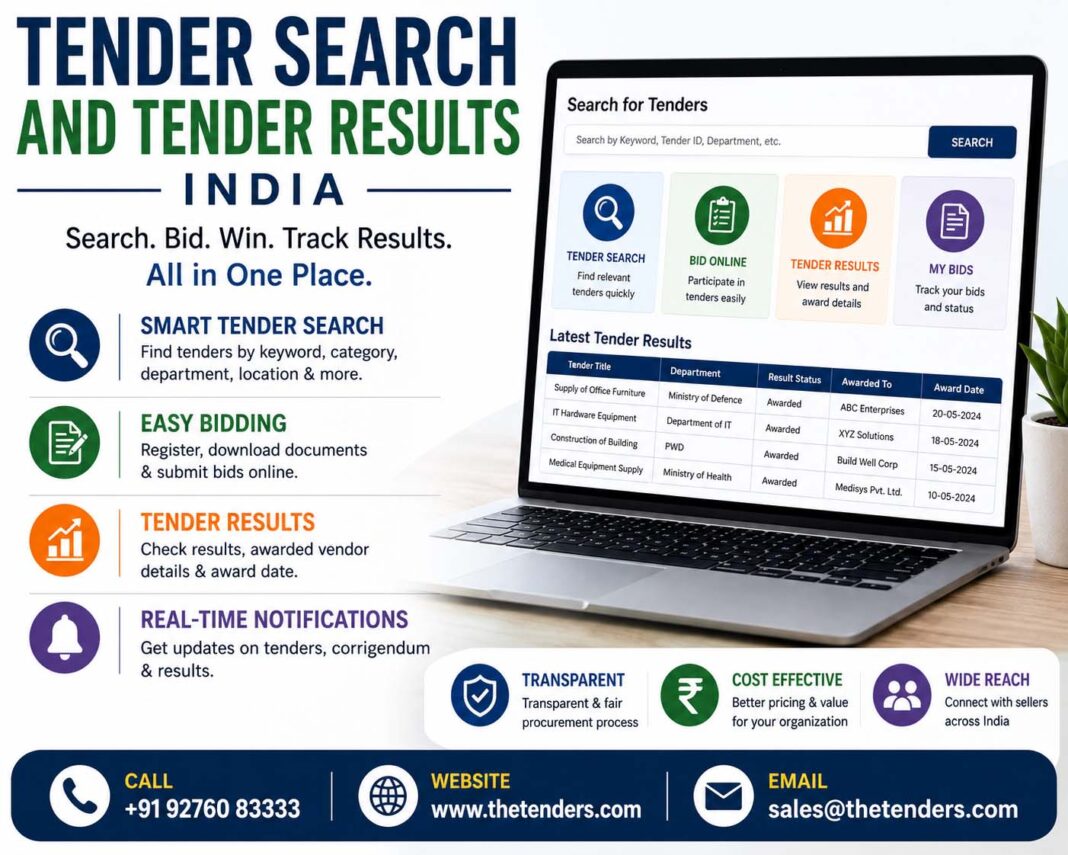
Finding the right government procurement opportunity is often less about searching harder and more about searching smarter. For manufacturers, suppliers, contractors, service providers, and MSMEs, thousands of procurement opportunities can represent potential business, but identifying the tenders that genuinely match their capabilities requires an organized approach. A reliable GeM Tender Search process can help businesses discover relevant opportunities while saving valuable time.
The Government e-Marketplace has created a structured digital environment where government buyers and registered sellers can participate in procurement activities. Businesses that understand how to search, filter, review, and evaluate opportunities can build a more systematic approach to government tendering.
Start With the Right Search Criteria
A broad search can produce a large number of results, but not every tender will be relevant to a particular business. The first step should therefore be defining what the company is actually looking for.
Businesses can consider factors such as:
- Product or service category
- Procuring department
- Location
- Estimated requirements
- Submission deadline
- Eligibility conditions
- Technical specifications
- Previous procurement activity
Using these criteria can make the search process more focused. Instead of spending hours reviewing unrelated opportunities, bidders can concentrate on tenders that fit their capabilities and business objectives.
Why Regular Tender Monitoring Matters
Government procurement opportunities do not remain available indefinitely. Every tender has its own submission timeline, documentation requirements, and conditions.
Regular monitoring allows businesses to identify opportunities earlier and plan their response accordingly. Early discovery can provide additional time to review specifications, collect certificates, prepare technical documents, calculate pricing, and obtain necessary approvals.
A consistent GeM Tender Search routine can therefore become an important part of business development for companies targeting government buyers.
Look Beyond the Tender Title
One common mistake is judging an opportunity only by its title. A tender may appear relevant at first glance but have eligibility conditions or technical specifications that make it unsuitable.
Businesses should read the complete tender documentation before deciding to participate.
Important points to examine include previous experience requirements, turnover criteria, technical qualifications, product specifications, delivery conditions, payment terms, required certifications, and submission procedures.
This detailed review can prevent businesses from investing time and resources in opportunities for which they do not meet the basic requirements.
Use Tender Results as a Learning Resource
Finding an opportunity is only one part of government procurement research. Previous tender results can also provide useful market information.
Tender results may show information about awarded contracts, participating businesses, procurement categories, and other details depending on the available data. Studying this information can help companies understand how a particular market is developing.
For example, a supplier may notice that a specific department repeatedly purchases a particular category of products. That information can encourage the company to research upcoming requirements and prepare its capabilities accordingly.
Learn From Previous Procurement Activity
Historical tender information can support better business planning. Companies can examine previous opportunities to understand recurring requirements and identify departments or sectors that regularly purchase their products or services.
This approach turns tender research into a broader form of market intelligence.
Businesses can also compare previous tender specifications, contract values where available, and procurement patterns. Such analysis does not guarantee future results, but it can provide useful context when evaluating new opportunities.
Digital procurement tools are increasingly important in this process. Forbes has also highlighted how technology and data-driven approaches are reshaping procurement operations and helping organizations improve visibility and efficiency.
Build a Practical Tender Evaluation Process
Not every tender should become a bidding opportunity. Businesses can create an internal evaluation checklist before committing resources.
A simple evaluation can cover:
Eligibility: Does the business satisfy the stated qualification requirements?
Capability: Can the company deliver the required products or services?
Commercial viability: Does the opportunity make business sense after considering costs?
Timeline: Can the organization meet the delivery and submission deadlines?
Documentation: Are all required certificates and supporting documents available?
Competition: What can previous procurement information reveal about the market?
This process can help companies make more informed decisions and avoid rushed submissions.
Who Can Benefit From GeM Opportunities?
Government procurement can be relevant to businesses across many industries. Manufacturers, distributors, IT companies, healthcare suppliers, infrastructure firms, consultants, facility management providers, and other service businesses may find opportunities matching their offerings.
MSMEs and growing companies can particularly benefit from developing a structured tender-monitoring routine. Instead of relying entirely on occasional searches, they can make procurement research part of their regular sales and business development activity.
Combine Opportunity Discovery With Bid Preparation
Finding a suitable tender is only the beginning. A strong submission requires careful attention to the tender requirements.
Businesses should maintain updated company documents, registrations, financial records, product information, technical credentials, and relevant certifications. Having these materials organized can make the preparation process more efficient when a suitable opportunity appears.
It is also important to review every requirement before submission. Missing a mandatory document or failing to follow a specific instruction can affect the eligibility of a bid.
Make Tender Research a Long-Term Strategy
Government procurement should not always be viewed as a one-time opportunity. Consistent research can help businesses identify patterns, understand demand, discover new departments, and prepare for future requirements.
A well-managed GeM Tender Search strategy combines opportunity discovery, eligibility assessment, document preparation, and analysis of previous procurement activity.
The goal is not simply to find more tenders. It is to find the right tenders and make informed decisions about where to invest bidding resources.
Conclusion
Government procurement can provide valuable opportunities for businesses that approach the process with preparation and discipline. A structured GeM Tender Search helps companies identify relevant opportunities, while reviewing previous tender results can provide additional insight into procurement patterns and market activity.
With regular monitoring, careful document review, and a clear evaluation process, businesses can make their tendering efforts more organized and purposeful. For companies looking to expand their presence in government procurement, having access to reliable tender information and professional support can make the process easier to manage and help them respond to suitable opportunities with greater confidence.

