

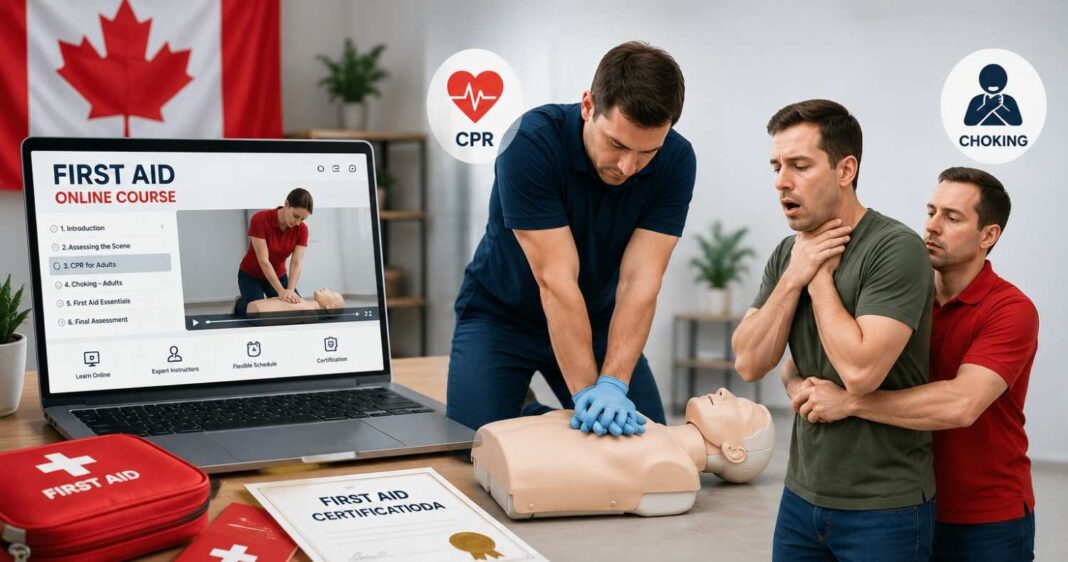
Every day, medical emergencies unfold in workplaces, schools, gyms, and homes — and in most of those moments, professional help is still several minutes away. What happens during that gap often determines the outcome. A first aid certification equips individuals with the knowledge and practical skills to respond effectively during those critical minutes: controlling severe bleeding, recognizing stroke symptoms, performing CPR, managing burns, and stabilizing an injured person until emergency services arrive. It is one of the most universally valuable credentials any adult can hold, regardless of profession or personal circumstance.
What First Aid Certification Actually Covers
First aid certification programs are more comprehensive than many people expect. While most associate the credential with basic wound care and CPR, accredited courses typically address a broad range of emergency scenarios. Core content generally includes cardiopulmonary resuscitation for adults, children, and infants; AED operation; choking response for both conscious and unresponsive victims; bleeding control and wound management; shock recognition; burn assessment and treatment; fracture and sprain stabilization; allergic reaction and anaphylaxis response; stroke and heart attack recognition; and seizure management.
Advanced or workplace-specific programs may extend into oxygen administration, spinal precautions, and multi-casualty response protocols. The scope of any given certification depends on the provider and the training level selected — which is why understanding what a program covers before enrolling is essential.
Understanding Certification Levels
Not all first aid certifications are equivalent, and selecting the right level matters. Programs are generally tiered into three categories:
Emergency First Aid is an introductory certification covering CPR and the most immediate life-threatening emergencies. Typically completed in a single day, it suits lower-risk workplaces and general public preparedness.
Standard First Aid is a comprehensive two-day program that extends into wound care, environmental emergencies, and a wider range of medical conditions. It is required in higher-risk work environments and by many regulated industries across Canada.
Advanced First Aid and First Responder programs are multi-day certifications designed for individuals who may serve as primary responders in remote, industrial, or high-stakes environments. They are common among outdoor professionals, industrial site workers, and community emergency response volunteers.
Knowing which level applies to your workplace requirements, professional licensing obligations, or personal goals is the right starting point before committing to any program.
Who Is Required or Expected to Hold a Certification?
While anyone can benefit from first aid training, certain groups carry a regulatory or professional obligation to maintain a current certification:
Healthcare and Allied Health Professionals — Nurses, physiotherapists, dental hygienists, and other regulated practitioners are frequently required to hold valid first aid and CPR credentials as a condition of licensure or employment.
Childcare Workers and Early Childhood Educators — Provincial regulations across Canada mandate first aid certification for those working in licensed childcare and early learning environments, often with paediatric-specific training required.
Fitness and Wellness Professionals — Personal trainers, group fitness instructors, and gym staff are required by most national certification bodies and provincial sports organizations to maintain active first aid credentials.
Teachers and School Staff — Requirements vary by province and school board, but many educational institutions designate staff members who must hold current certification at all times.
Construction and Industrial Workers — Provincial occupational health and safety legislation requires workplaces above certain employee thresholds to have certified first aiders present during all hours of operation.
Parents and Caregivers — While not legally required, certification is strongly encouraged for anyone responsible for the ongoing care of children, elderly individuals, or those managing chronic health conditions.
The Real-World Value of Being Certified
Beyond regulatory compliance, first aid certification delivers tangible benefits that extend into everyday life. Certified individuals act faster in emergencies, make more informed decisions under pressure, and are significantly less likely to freeze or inadvertently worsen an injury through an uninformed response.
For employers, the advantages are equally concrete. Workplaces with a higher proportion of trained first aiders experience better incident outcomes, reduced liability exposure, and stronger overall safety cultures. Exceeding minimum certification requirements is increasingly viewed as both a risk management strategy and a marker of organizational responsibility.
At a personal level, certification builds a quiet but durable form of confidence — the kind that comes from knowing you can genuinely contribute when someone needs help.
Choosing the Right Program
When evaluating providers, prioritize those whose certifications are recognized by your employer, professional regulatory body, or provincial authority. Confirm whether the training format — in-person, fully online, or blended — satisfies your specific requirements. Review the renewal cycle, as most first aid certifications must be refreshed every two to three years to remain valid. Reputable programs are transparent about course content, instructor qualifications, and the documentation provided upon successful completion.
Take the Step That Prepares You for the Moments That Count
First aid certification is not a credential for emergencies that happen to other people. It is preparation for the unexpected situations that arise without warning in the ordinary course of daily life — and holding it means being in a position to help rather than standing by uncertain.
Simple CPR delivers nationally recognized online first aid and CPR certification designed for working professionals, caregivers, educators, and anyone committed to being genuinely prepared. Visit their website today to explore course options and find the certification level that matches your professional requirements and personal goals.

