

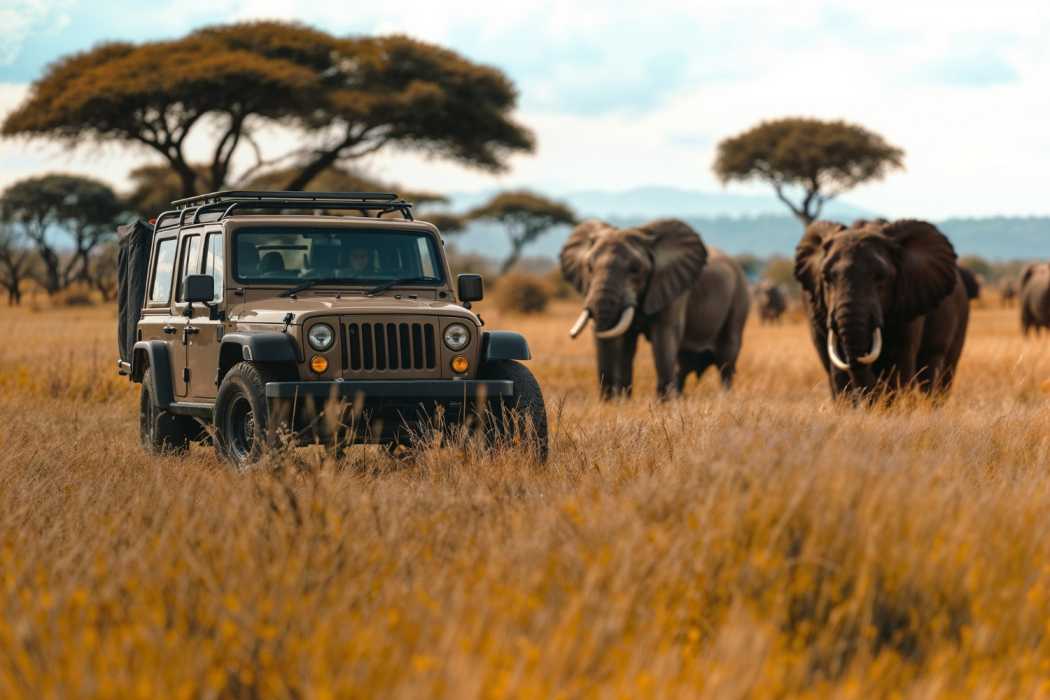
Botswana is often thought of as the ultimate safari destination, and for good reason. Unlike the high-traffic parks elsewhere in Africa, Botswana puts a focus on high-quality, low-impact tourism. This means you get a front-row seat to nature’s theatre at the Okavango Delta and Makgadikgadi without the extra heads blocking your views.
But if you’ve never been to Southern Africa, it’s hard to know what a day in the bush can look like. A safari day follows a long-standing traditional rhythm designed to keep you safe and put you in front of animals when they are most active. From dawn choruses to sundowners under a baobab tree, here is a look at what a day on safari is like in Botswana.
Why You’ll Love a Botswana Safari
- Exclusive Sightings: Choosing a private concession means you won’t be sharing your lion sighting with a convoy of other vehicles.
- Diverse Landscapes: You can switch between the lush, water-filled channels of the Delta and the dramatic, dry plains of the Savuti.
- Up-Close Wildlife: Botswana is home to the world’s largest elephant population, so prepare for some incredible encounters.
5:30 AM: The Gentle Wake-Up Call
Your day begins before the sun rises. In Botswana, the “Golden Hour” isn’t just for photographers; it’s when the bush is most alive. You’ll typically receive a gentle wake-up call, if needed, followed by a tray of steaming coffee or tea to start your day.
The morning air is crisp, even in the summer, so don’t forget to pack some layers that you can shed as the temperatures warm up. As you sip your brew, you’ll hear the morning chorus: the haunting call of a Fish Eagle or the distant, low rumble of an elephant heading toward the water. This all lets you know that the bush has woken up.
6:30 AM: The Morning Game Drive or Mokoro Glide
By 6:30 AM, you’re in the vehicle or, if you’re in the Delta, a mokoro (a traditional dugout canoe). This is the prime time for wildlife. Predators like lions and leopards are often finishing their nightly hunts before the heat of the day sets in.
In Chobe, you might witness massive herds of buffalo beginning their march. In the Moremi Game Reserve, your tracker will be scanning the sandy tracks for the footprints left by animals overnight, or as they call it, the “morning paper.”
10:00 AM: The Bush Brunch
After several hours of tracking, you’ll head back to camp for a well-earned safari brunch. Think fresh fruit, home-baked bread, and a full English breakfast, usually served al fresco. This is the perfect time to share sighting stories with fellow travellers. Did you see the rare Pel’s Fishing Owl? Or perhaps a pack of the elusive African Wild Dogs? It’s a moment that brings people together.
12:00 PM: The African Siesta
From midday until 3:30 PM, the sun is at its peak, and the animals retreat into the thickets for shade. You should do the same. This “quiet time” is one of the most underrated parts of the safari experience. You can lounge by the plunge pool, catch up on your travel journal, or simply watch the hippos in the river from your private veranda. This is your time to unwind and reflect.
3:30 PM: High Tea and the Afternoon Activity
In true safari tradition, the afternoon begins with High Tea that includes a spread of sweet and savoury treats to fuel you for the evening.
If your lodge is in a private concession, your guide might take you off-road to get a closer look at a leopard in a Leadwood tree. The Okavango Delta is the best for a boat safari. Navigating the narrow channels, you’ll see malachite kingfishers darting through the reeds and elephants crossing the water, sometimes submerged with only their trunks acting as snorkels.
6:00 PM: The Sacred Sundowner
No day on a Botswana safari is complete without the sundowner. As the sky turns a brilliant shade of violet and burnt orange, your guide will find a scenic spot to park. They’ll set up a bar on the Land Cruiser bonnet, and you’ll enjoy a classic Gin & Tonic as the sun disappears behind the horizon. It is a moment of pure magic.
7:30 PM: Dinner Under the Stars
Back at camp, the evening Boma (traditional open-air enclosure) dinner awaits. Lit by lanterns and a roaring central fire, dinner is an elegant multi-course affair. You’ll dine under a canopy of stars so bright that you’ll feel tempted to reach out and touch them, often accompanied by the distant “whoop” of a hyena.
9:30 PM: Falling Asleep to the Wild
Exhausted and inspired, you’ll be escorted back to your room by a night watchman. As you tuck into your bed, the sounds of the African night, like the crickets and the rustle of the wind in the Mopane trees, will lull you into a deep sleep, ready to do it all again tomorrow.
Quick Facts for the Botswana Traveller
- Best Time to Visit: June to October (Dry season, best for wildlife).
- Top Locations: Okavango Delta, Chobe National Park, and Moremi Game Reserve.
- What to Pack: Neutral-coloured clothing (khaki/beige), a wide-brimmed hat, and high-quality binoculars.
Insider Tip: Neutral colours are for blending in, but also to avoid attracting Tsetse flies (which love blue and black).
Final Thoughts
A safari in Botswana is a total immersion into one of the world’s last true wildernesses. While the early wake-up calls might seem a bit off-putting at first, the reward of seeing a pride of lions at sunrise or an elephant herd at your doorstep as you wake up is worth every lost hour of sleep. More than anything, the rhythm of the bush will stay with you long after you’ve returned home.

