

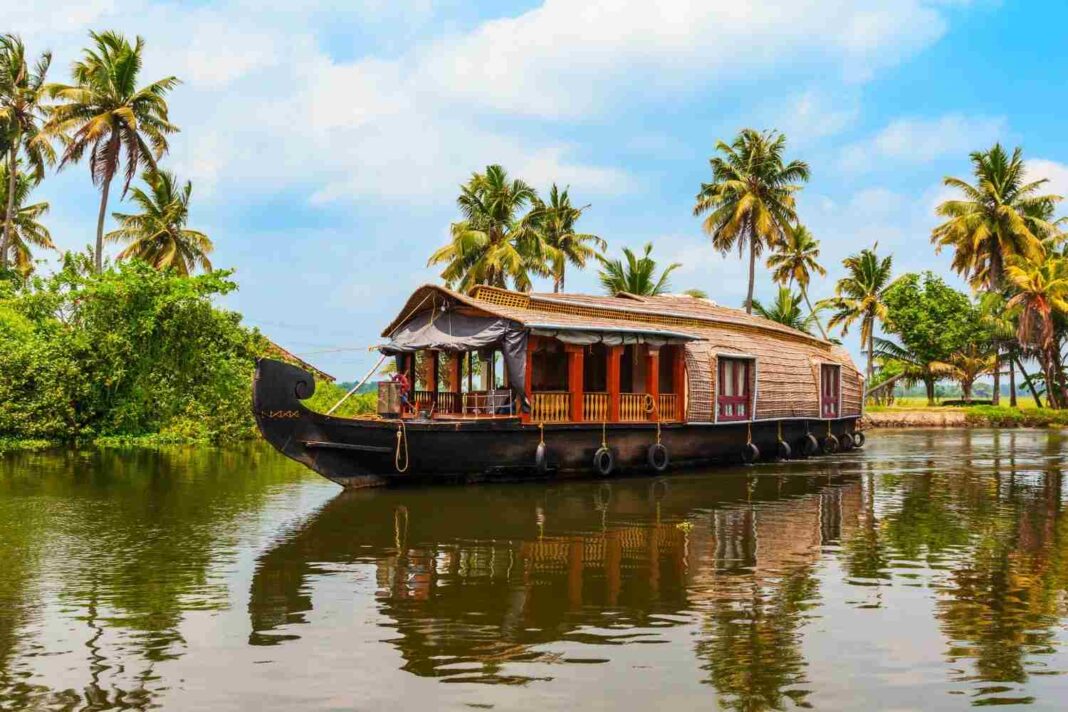
Booking a houseboat sounds simple right up until you actually start doing it, at which point most travelers discover a surprisingly wide range of package types, durations, inclusions, and pricing structures that aren’t always explained clearly upfront. This isn’t necessarily because operators are trying to confuse anyone — the backwater tourism industry has simply grown organically over three decades, with different operators developing their own package structures and terminology, which means a traveler comparing three different listings can end up comparing three genuinely different things without realizing it. Having a clear step-by-step approach to the decision removes most of that confusion and makes it far easier to book with confidence rather than guesswork.
The first decision, and arguably the most consequential, is choosing between an overnight cruise and a shorter day cruise. An overnight package typically runs from a midday boarding — usually between noon and one in the afternoon — through until the following morning, generally around nine, giving roughly twenty-one to twenty-two hours on the water including a full afternoon of cruising, an anchored evening and night, breakfast the next morning, and a final short cruise back before disembarkation. A day cruise compresses the experience into a shorter four-to-six-hour window, typically covering lunch but not an overnight stay. For travelers with limited time, a day cruise is a reasonable way to sample the backwaters, but it’s worth setting expectations accurately: the overnight stillness, the sunset, and the quiet night on the water — frequently described by past guests as the most memorable part of the entire experience — are simply not part of a day cruise, so the two options aren’t really different lengths of the same experience so much as genuinely different products.
Group size and boat configuration is the second major decision point, and it directly shapes both cost and comfort. A standard alappuzha house boat booking for a couple typically means a single-bedroom boat, which is the most straightforward and often most cost-efficient configuration since the entire boat — bedroom, deck, dining area — is used by just two guests. Families and larger groups need to think more carefully, because multi-bedroom boats vary considerably in how well they’re actually designed for shared use: some genuinely accommodate four, six, or even eight guests comfortably with properly separated bedrooms and adequate shared deck space, while others simply add bunk-style sleeping arrangements into a boat not originally designed for the larger group, which can feel cramped by the second day. Asking directly about the boat’s total guest capacity relative to its deck and bathroom count — rather than just bedroom count — gives a far more accurate picture of how comfortable a larger group booking will actually be.
Inclusions are where the real price comparison work needs to happen, because this is consistently the area where otherwise-similar-looking packages diverge the most. A well-structured alappuzha house boat package will clearly specify what’s included: all meals (and how many — breakfast, lunch, evening snacks, and dinner for an overnight stay), drinking water, and typically a sunset-viewing stop at a scenic point along the route. What’s often excluded, and worth confirming explicitly before booking, includes alcoholic beverages, special seafood add-ons like a tiger prawn or crab preparation beyond the standard meal, air conditioning usage if it’s billed separately from the base room rate, and any additional stops beyond the standard route, such as a visit to a coir-making village or a spice garden. None of these exclusions are unreasonable on their own, but a package that looks meaningfully cheaper than a competitor’s quote is often simply excluding more of these items rather than genuinely offering a better deal — the only way to know for certain is asking for a complete, itemized breakdown before confirming.
Timing the actual booking itself deserves more strategic thought than most travelers give it. During the peak season from October through February, particularly around weekends and major holidays, the most well-reviewed boats are frequently booked two to four weeks in advance, and leaving the booking until the week of travel usually means settling for whatever remains available rather than genuinely comparing options. Outside peak season, booking even a few days ahead is often sufficient, and some operators offer modestly better rates for bookings made with more notice, since it helps them plan crew scheduling and provisioning more efficiently. A useful rule of thumb: if specific dates matter — an anniversary, a particular weekend during a family trip — book at least three to four weeks ahead during peak season, and don’t assume availability will still be there a few days before arrival simply because it was open when first checked weeks earlier.
Communication before boarding is a step many travelers skip entirely, and it’s one of the easiest ways to meaningfully improve the trip. Reaching out directly to confirm dietary requirements, any food allergies, specific anniversary or celebration requests — some operators will arrange a simple cake or flower decoration for special occasions if asked in advance — and the exact boarding point and time removes most of the small uncertainties that can otherwise cause a stressful start to the trip. It’s also the right moment to ask practical questions that don’t always appear in standard package descriptions: whether towels and basic toiletries are provided, whether the boat has reliable mobile network coverage along its route (coverage genuinely varies by route, since some narrower canal routes pass through areas with weaker signal), and what the actual check-in process looks like at the boarding jetty, which can otherwise feel disorganized to first-time visitors navigating it without guidance.
Getting to the boarding point is a logistical detail that’s easy to overlook until the morning of the trip, and it’s worth planning deliberately. Alleppey’s main houseboat jetties sit a short distance from the town’s railway station and bus stand, but traffic and parking around the jetty area can get genuinely congested during peak-season mornings and weekend checkouts, when dozens of boats are boarding and disembarking guests within the same couple of hours. Travelers arriving by car should confirm in advance whether the operator provides secure parking near the jetty for the duration of the cruise, since this isn’t universal and leaving a vehicle unattended on a public roadside for a full day and night is not ideal. Travelers arriving by train or bus are usually better served by a short pre-arranged taxi or auto-rickshaw transfer directly to the correct jetty, since Alleppey has multiple boarding points depending on the operator and route, and arriving at the wrong one can mean an avoidable last-minute scramble.
Knowing roughly what the first few hours on board look like also helps set the right expectations for first-time guests. After boarding and a brief orientation from the crew — safety basics, mealtimes, and the planned route for the day — most cruises ease into the backwaters gradually, with the first hour or so often still within sight of Alleppey’s more built-up riverside areas before the scenery opens into quieter canals and lake stretches. Lunch is typically served around one-thirty to two in the afternoon, after which the boat continues cruising through the early afternoon before most itineraries plan a mid-afternoon stop — sometimes at a small village, a spice or coir-making demonstration, or simply a scenic point to stretch and take photos — ahead of positioning for sunset, which is, for most guests, the unofficial highlight of day one. Knowing this rough rhythm in advance means guests can relax into the pace rather than wondering, an hour in, whether “something is supposed to be happening.”
Payment and cancellation terms are worth reading carefully rather than skimming, particularly for bookings made further in advance. Most reputable operators require a partial advance payment to confirm a booking, with the balance payable on arrival, though the exact split varies by operator. Cancellation policies also differ meaningfully — some allow a full refund with sufficient notice, often seven to fourteen days, while others apply a sliding scale of forfeiture the closer the cancellation falls to the travel date. Given that weather, flight changes, and simple scheduling shifts are a genuine possibility with any trip, understanding these terms clearly before paying any advance avoids an unpleasant surprise later, and a transparent operator will have no hesitation sharing these terms clearly and in writing before any payment changes hands.
Ultimately, a smooth houseboat booking comes down to treating it with the same care most travelers would apply to booking a hotel for a special trip — comparing inclusions carefully rather than headline prices alone, confirming details directly with the operator rather than assuming standard practice applies everywhere, and building in enough lead time that the decision is a genuine comparison rather than a rushed, last-minute scramble. Travelers who approach the process this way consistently report a smoother, more enjoyable experience from the very first contact with the operator through to the final morning disembarkation, long before the boat itself ever leaves the jetty.

