

Hosting Without the Kitchen Pressure
A house party can be more enjoyable when the host is able to spend time with guests rather than managing every dish. A private chef service can take responsibility for planning and preparing food while allowing the event to remain personal and informal.
Start With the Occasion
The right chef depends on the event. A family celebration may need familiar comfort food, while a formal dinner may require a more structured menu. Hosts should communicate the occasion, guest profile, cuisine preferences and expected service style before booking.
Menu Planning Matters
A good menu considers more than individual dishes. Timing, portion sizes, dietary requirements and the sequence of service all affect the experience. A personal chef at home can help create a menu that is practical for the available kitchen and suitable for the number of guests.
Kitchen Compatibility
Home kitchens vary considerably. Hosts should confirm what equipment is available and whether the chef can work comfortably within the space. This helps prevent last-minute operational issues and ensures that preparation is organised.
Guest Experience
Food is one part of the event, but service can shape how guests experience the meal. A party chef in Delhi should understand whether food will be plated, served buffet-style or prepared in stages. Clear communication before the event reduces uncertainty.
Making Hosting Easier
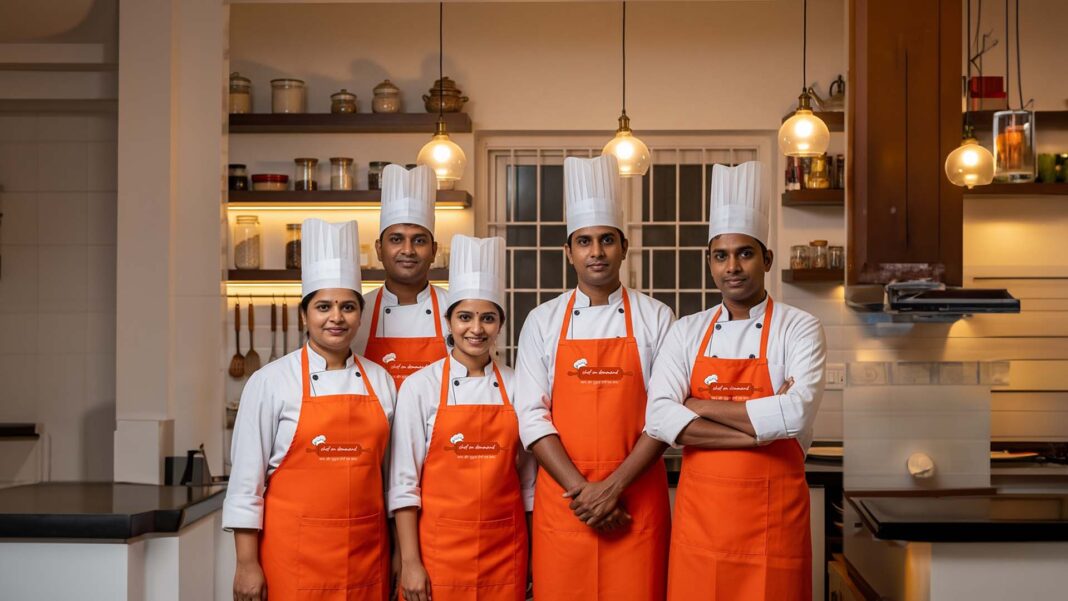
For people seeking a private chef in Delhi, the objective is not simply to outsource cooking. It is to create an experience in which food, timing and hospitality work together. Chef On Demmand’s home-chef model can help hosts focus on their guests while professional cooking is handled in the background.
Matching the Chef to the Occasion
Not every private chef is equally suited to every type of event; a chef skilled at an intimate dinner for six may approach a twenty-person house party differently, particularly around timing and kitchen logistics. Hosts planning a larger gathering can ask directly about a chef’s experience with similar guest counts, since the operational demands of a bigger party, from plating speed to course sequencing, differ meaningfully from a smaller, more relaxed setting.
Kitchen Logistics Hosts Often Overlook
A home kitchen was not necessarily designed with a full-service party in mind, and details like counter space, refrigeration capacity and where prep work will happen can affect how smoothly an evening runs. Hosts who walk a chef through the kitchen layout in advance, rather than leaving these details to be discovered on the day, tend to have a noticeably smoother experience once guests arrive.
Coordinating With Other Party Vendors
A private chef rarely operates in isolation at a larger event; they often need to coordinate timing with other vendors, such as a decorator setting up the space or a bar service handling drinks. Hosts who introduce their chef to the broader event timeline in advance, including when other vendors will be present, tend to avoid the kind of scheduling conflicts that can disrupt an otherwise well-planned party.
Handling Beverage and Bar Service Separately
Many private chef bookings focus primarily on food, leaving beverage service as a separate consideration that hosts sometimes overlook until late in the planning process. Clarifying early whether a chef’s service includes any beverage coordination, or whether the host needs to arrange this separately, helps avoid a late scramble to fill that gap as the party date approaches.
Post-Event Cleanup Expectations
The scope of a private chef booking does not always automatically include full kitchen cleanup, and expectations here can vary between providers. Hosts should clarify upfront exactly what level of cleanup is included in the service, since a mismatch between expectation and actual service scope is a common source of end-of-evening frustration that is easily avoidable with a clear conversation in advance.
Practical Perspective
Hosts planning a party chef booking should confirm menu, timing and kitchen access well before the event date, since last-minute clarifications are where most misunderstandings happen. A short conversation up front about guest count and dietary needs tends to prevent the majority of issues that would otherwise surface on the day itself.

